Balayage: Everything you need to know
Balayage – a term that is becoming ever more popular in the world of hair colouring techniques. But what exactly is behind this method, and why do so many people choose this look? In this article you will learn all about the history of balayage, the different types, how it differs from techniques such as colouring or highlights, and much more.
The history of balayage
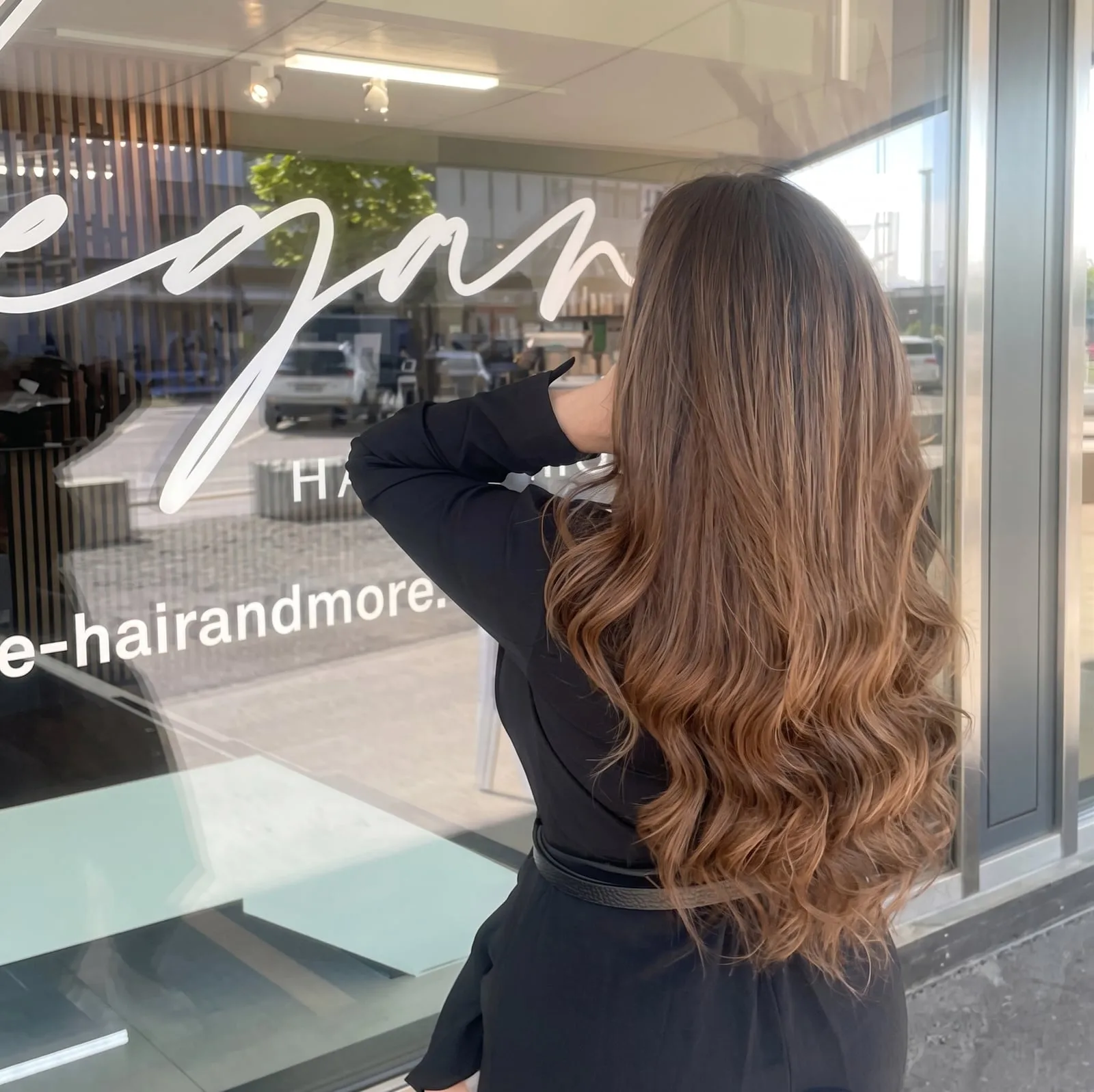
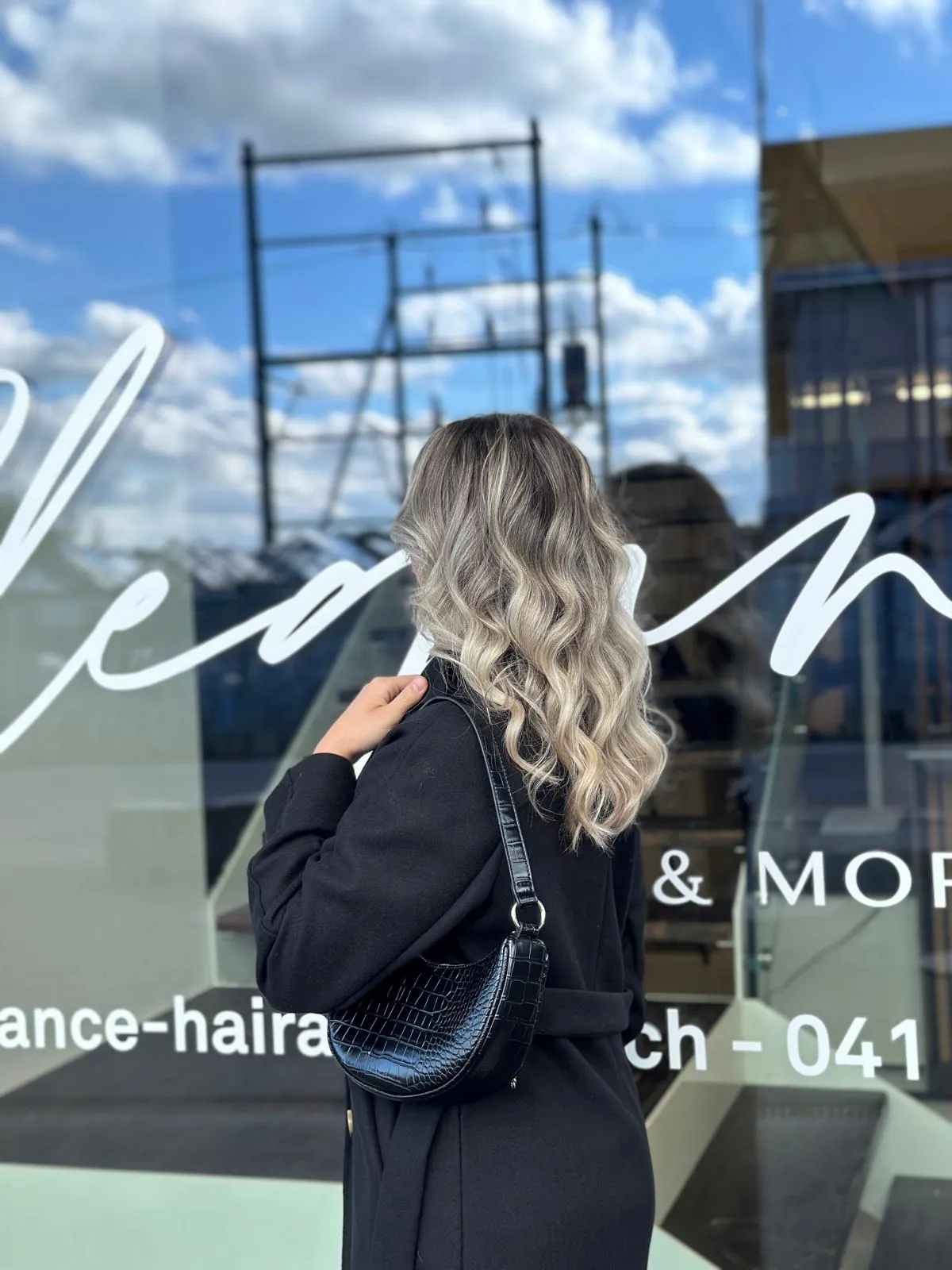
The term “balayage” comes from French and means “to sweep” or “to paint”. The technique was developed in France in the 1970s and revolutionised the way hair is coloured. Instead of colouring the hair completely, balayage creates a more natural, sun-kissed look reminiscent of a summer holiday at the beach. The technique has evolved over the years and is loved worldwide for its versatility.
Types of balayage
Not all balayage is the same. These are the variations we offer in our salon:
- Classic balayage – The traditional technique in which colour is painted freehand onto the surface of the hair to create soft transitions and natural depth.
- Airtouch balayage – An innovative variation in which the hair is blown through with a hairdryer before colouring. Only the desired strands remain to be coloured, giving particularly soft and seamless results.
- Reverse balayage – Perfect for blondes who want more depth and contrast. A darker shade is worked into the roots or lengths.
- Babylights with balayage – Fine, subtle highlights integrated into the balayage technique for an especially soft and natural look.
How it differs from other techniques
Many people ask: why balayage and not simply colouring or foil highlights? The key differences:
- Balayage vs. colouring – With classic colouring the colour is applied evenly to all of the hair, whereas balayage colours only selected strands, resulting in a more natural look.
- Balayage vs. foil highlights – Foil highlights often lead to a clearly defined result. Balayage offers softer transitions and a more individual look.
- Balayage vs. ombré – Ombré creates a clear gradient from dark to light, while balayage sets subtle highlights and creates more dimension.
What a balayage session looks like
A balayage session takes a little more time and expertise than other colouring techniques. This is how it works with us:
- Consultation – In a personal conversation we discuss your individual wishes, ideas and style. We analyse your hair structure and decide together which colours and techniques suit you perfectly.
- Preparation – The hair is divided into several sections to allow targeted work. Depending on its condition, washing and drying may be required first.
- Applying the colour – The balayage technique is applied freehand. Our stylists carefully paint the colour onto the chosen strands, focusing on a harmonious transition and a natural look.
- Processing time – Depending on the desired result, the colour needs 20 to 45 minutes. During this time we check the progress regularly so the colour is perfectly matched and the hair is not damaged.
- Rinsing and care – After processing, the colour is rinsed out thoroughly. A toner is then applied to achieve the desired shade, followed by high-quality care products that moisturise the hair and enhance its shine.
- Styling – Your hair is professionally blow-dried and styled to show off the new highlights at their best. We give you tips on how to care for and style your look at home.
The whole session usually takes between 2 and 4 hours, depending on hair length, density and the desired result. Balayage starts at CHF 300 without and CHF 361 with a cut – you will find the details in our services.
Care tips for balayage hair
After a balayage, the right care is crucial to keep the colour fresh for longer and the hair healthy:
- Colour-safe shampoos – Special shampoos for coloured hair help preserve the vibrancy of the colour.
- Conditioner and masks – Moisturising products keep the hair supple after the treatment.
- Heat protection – Always use heat protection when styling with straighteners, curling irons or a hairdryer.
- Regular refreshing – To refresh the highlights, we recommend a salon visit every 8–12 weeks.
Benefits of balayage
- Low maintenance – As the roots usually remain untreated, balayage looks natural even as the hair grows out.
- Versatile – Blonde, brunette or red: balayage adapts to your type and style.
- Natural look – The technique mimics the effect of natural sun-lightening.
- Less damage – As less hair is treated, it stays healthier and more supple.
Your balayage dream
Do you have questions or would you like to experience balayage yourself? Our team is happy to help – we look forward to perfecting your look.